




Screens, Snacks, and Sleep: Untangling the Evening
The bedtime battle is rarely lost at bedtime. It’s lost an hour earlier — in front of the TV, with a snack.
Here’s the evening as many households run it (no judgment; it was ours too, once): dinner ends, screens go on, and somewhere before bed there’s a snack — usually something sweet or beige, because it’s the end of the day and everyone’s earned it. Then the screen goes off, and we ask a small human to fall asleep. And they… don’t.
Two separate things just worked against them.
The snack: sugar or refined flour right before bed sends blood sugar up fast, and what goes up that quickly tends to come down the same way — often a couple of hours into the night. That dip is one of the things that can pull a child back toward wakefulness at the exact point they should be settling. The dreaded second wind at 8:30pm isn’t defiance.
The screen: bright light late in the evening delays melatonin — the hormone that makes sleep feel possible. The child who “isn’t tired” at bedtime often genuinely isn’t, because the biological signal hasn’t been sent yet.
The fix isn’t strictness — it’s swapping the order and the snack:
• Screens earlier, not never. Aim for off ~45–60 minutes before lights-out, and fill the gap with the things that actually settle a child — a bath, a book, a puzzle on the floor, talking about the day. These are the hours my kids remember, and honestly the ones I do too.
• Change what’s in the evening cup. If there’s a before-bed snack (and for many kids there should be — hungry kids don’t sleep either), build it on protein and real fat, not sugar and flour. Warm milk is the classic for a reason. A banana with peanut butter works. So does yogurt.
• Same order, every night. Small bodies love rhythm more than rules. When the sequence is predictable, the wind-down starts by itself.
Not a perfect-parent routine. Just a rhythm where the chemistry works with you for one hour a day, instead of against you.
The evening cup is a whole art of its own — there are gentle, comforting ingredients that suit the end of the day, and I built ten five-minute blends around them: 10 Calming Bedtime Smoothies.
Healthy Kids, Happy Minds shares general information about family nutrition, not medical advice. If you have concerns about your child's growth, eating, or health, please speak with your pediatrician.
Want an easier way to understand packaged foods without
analyzing every ingredient?
Understand the why behind the behavior
Explore science-informed guides that explain how nutrition interacts with
children's developing brains and bodies, and why it can influence focus, mood,
sleep and behavior.
READ NEXT
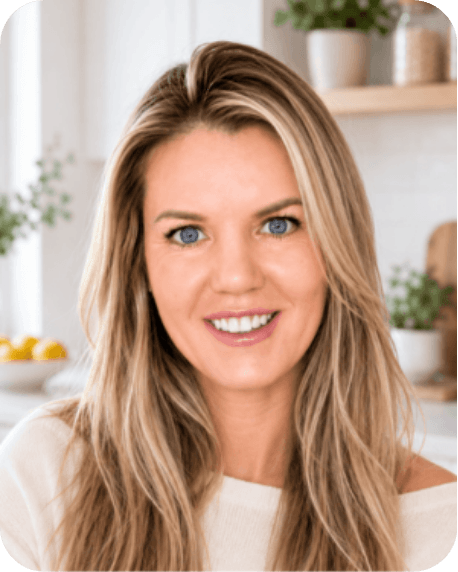
A note from Ela
Real Food for Healthy Kids and Happy Minds
This is my little corner of the internet for parents who want to feed their kids well, without the stress, and without the marketing words.
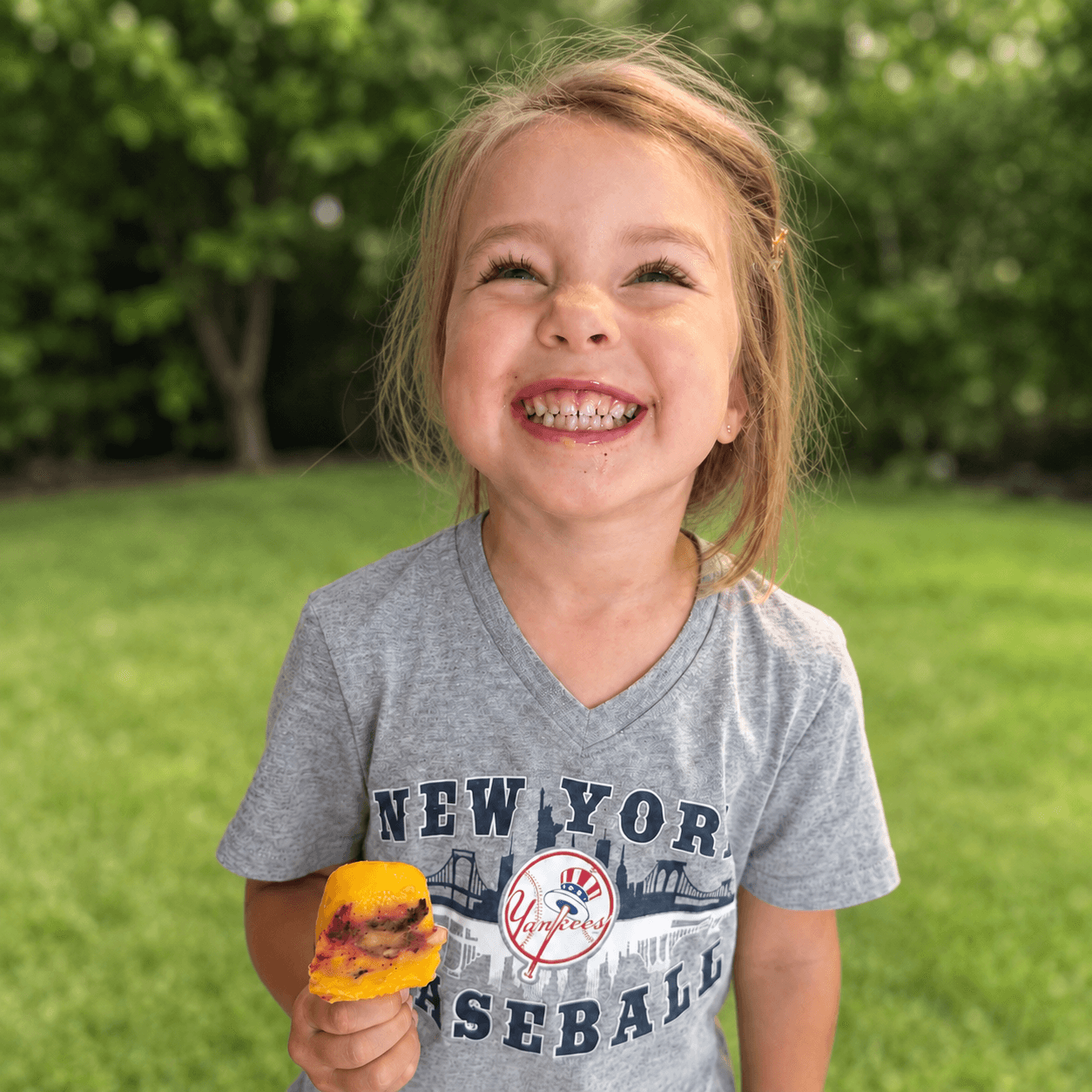
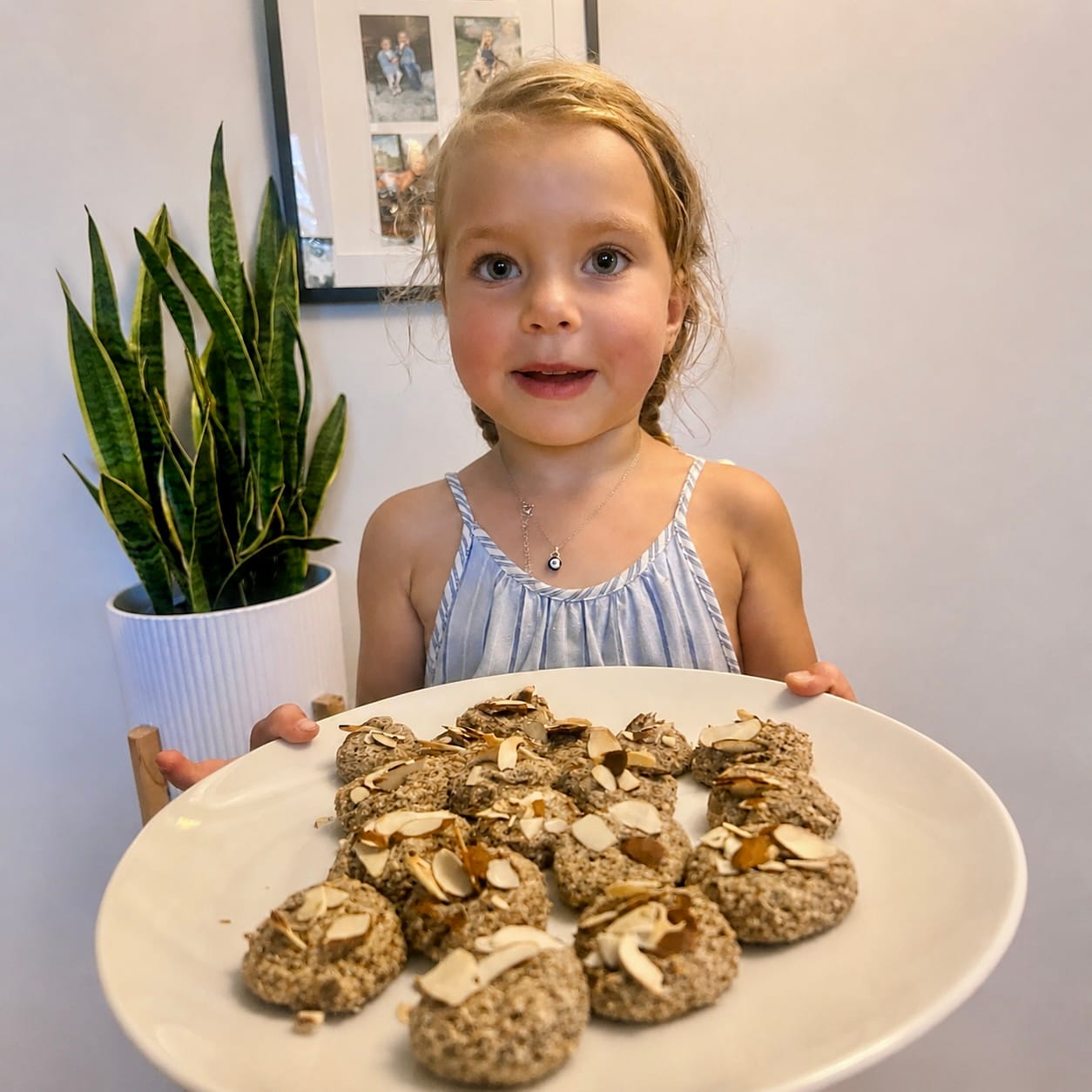
Here you'll find real-food recipes my own two kids actually eat (yes, including sweet treats, the healthy way), simple articles about how food shapes behavior, focus, and sleep, and easy label tips for your next grocery trip.
Pour yourself a coffee and look around. And if a recipe wins over your picky eater, come tell me on Instagram, it makes my whole day.
Read the label. Feed the brain. Keep it real.
All homemade, all real food. Yes, even the princess cake. No refined sugar, no stress, and a kid who never feels like she's missing out.
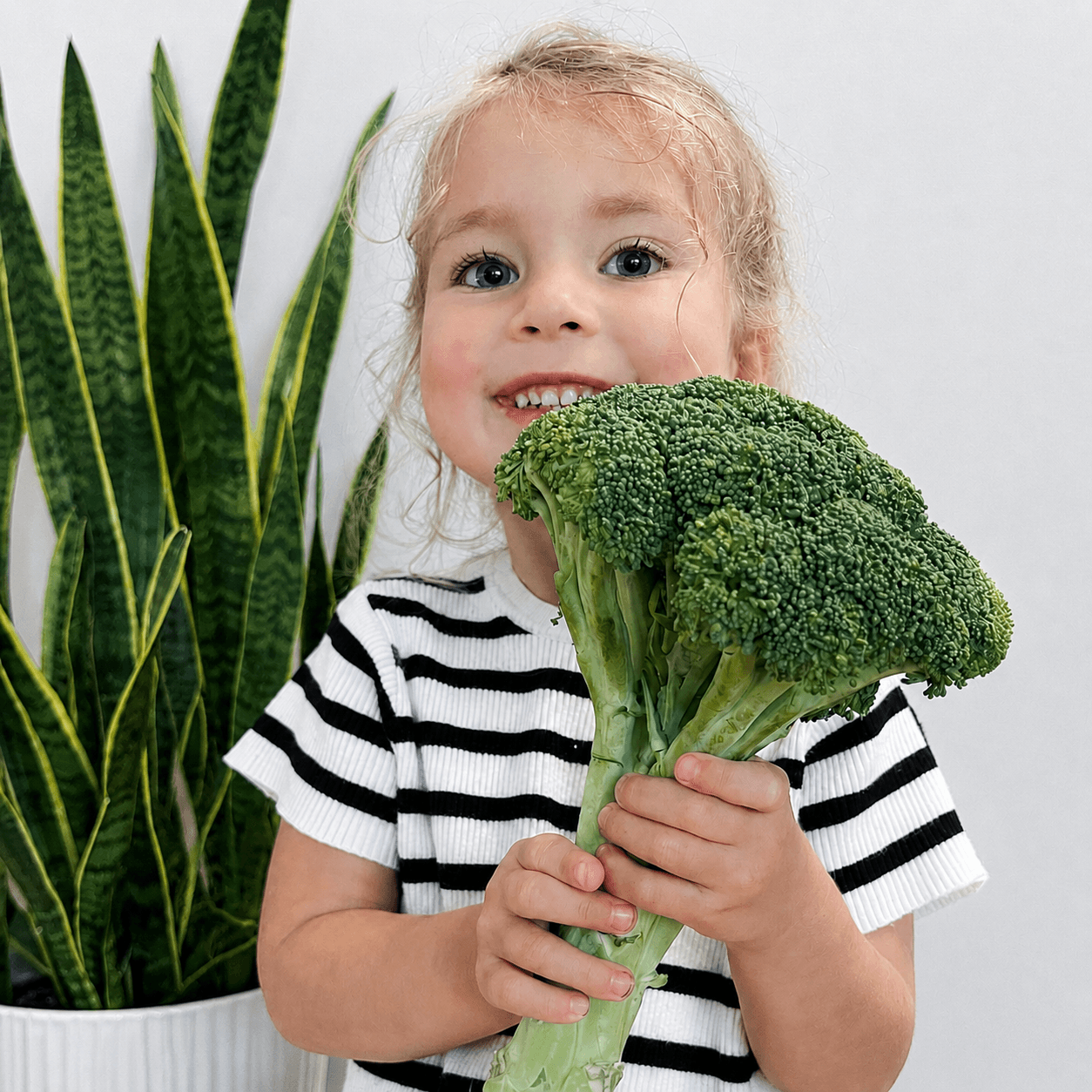
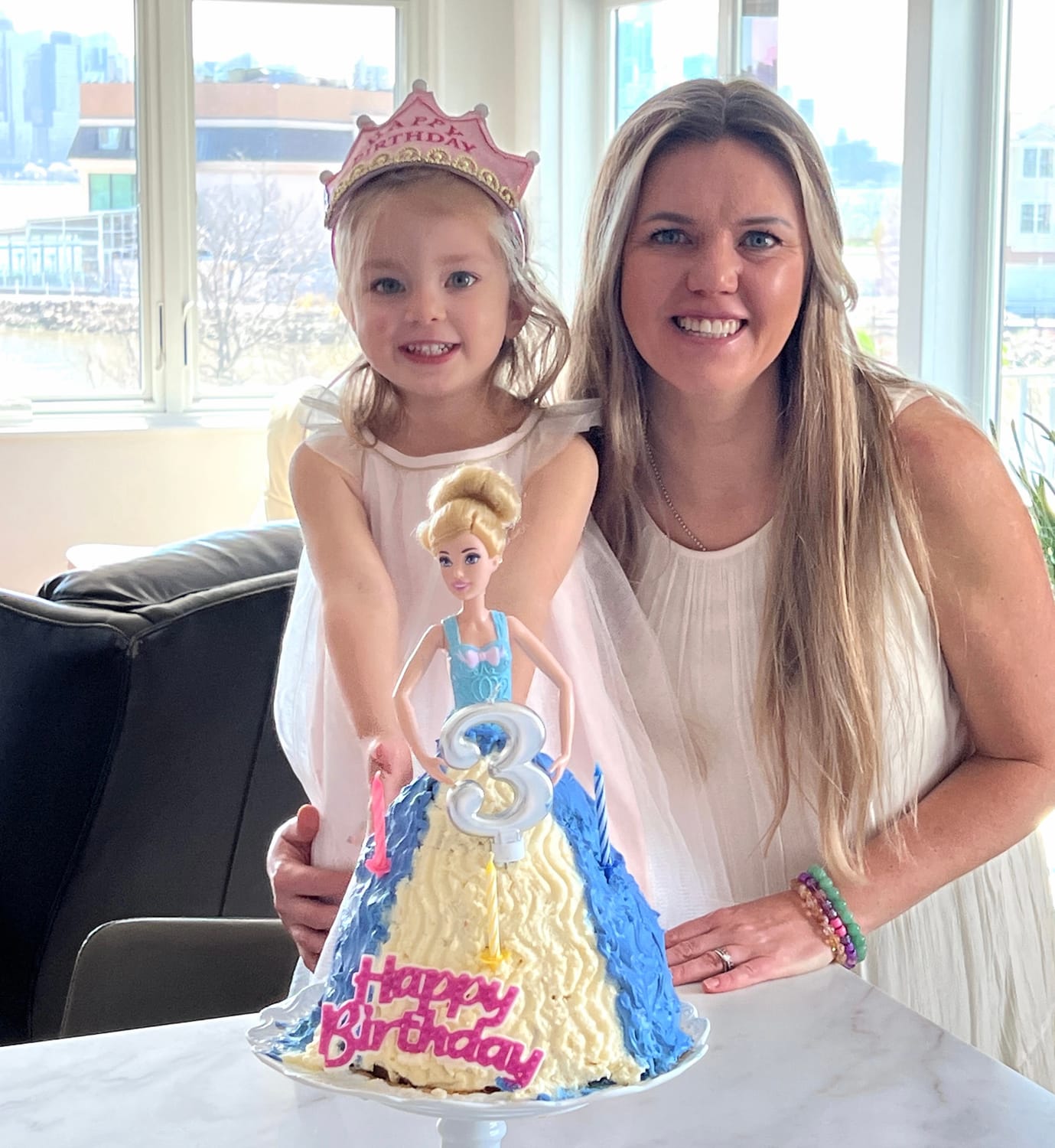
Practical kids' nutrition tips, label-reading help and realistic family meals
© 2026 Healthy Kids, Happy Minds · by Ela Larsen · a brand of Serenite Group LLC. All rights reserved.