




Carrot Energy Balls
Every parent needs one snack that ticks every box. Real ingredients, no added sugar, fifteen minutes, and — the difficult one — actually requested by the children.
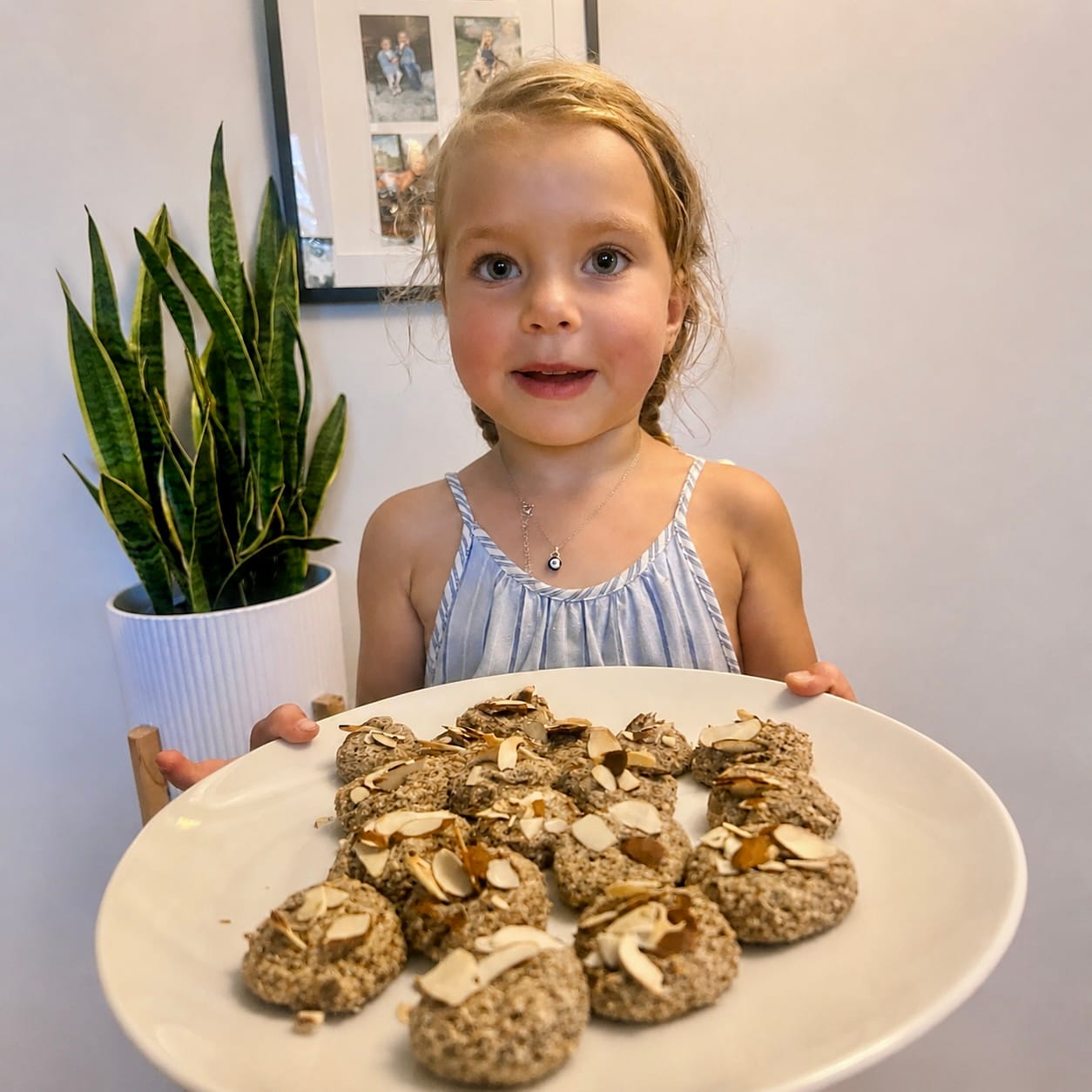
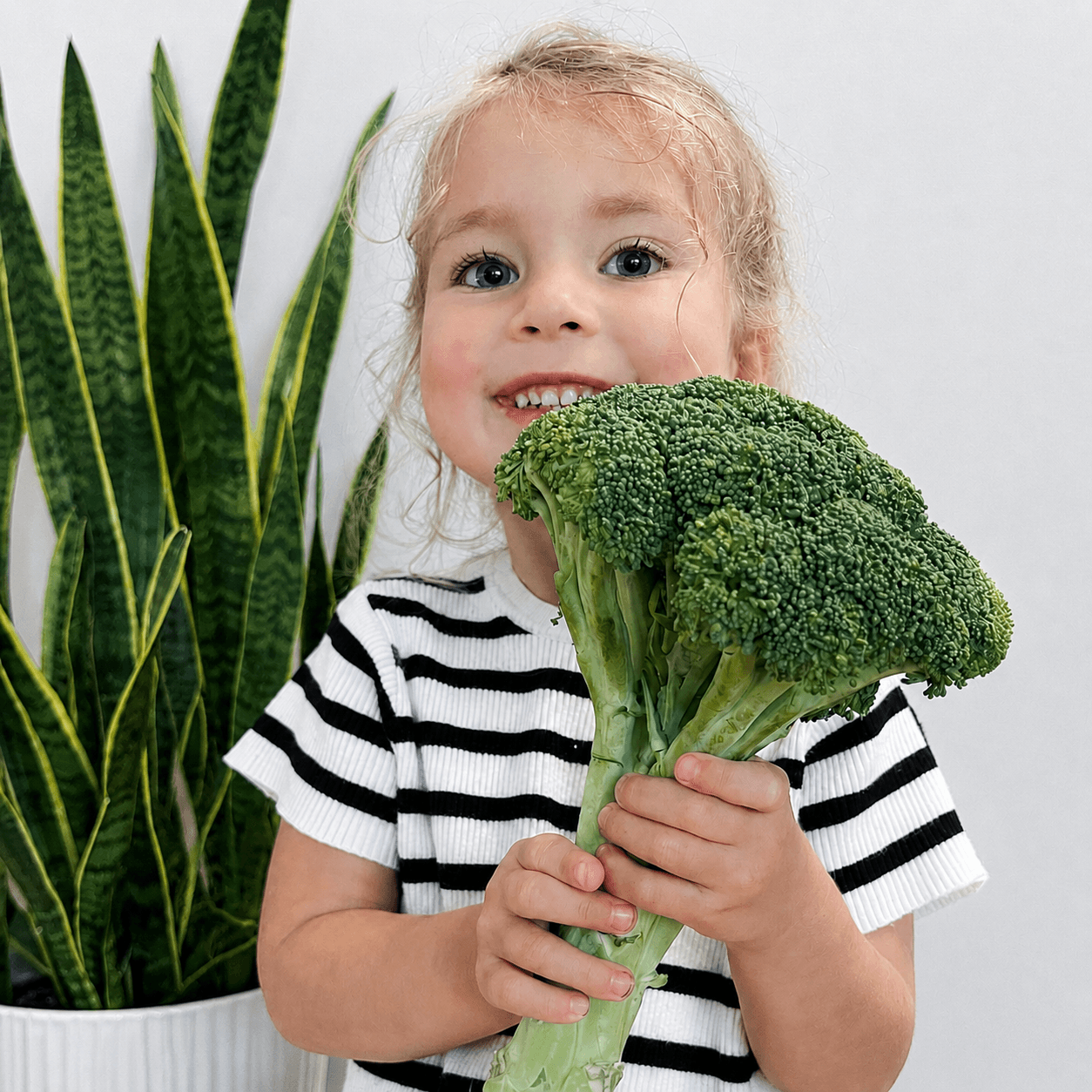
In our house this is that snack. My daughter carries them out on a plate like she is opening a small restaurant. They have survived lunchboxes, road trips and the judgment of visiting children, which is the hardest food review circuit there is.
This recipe lives in Feed the Brain, Raise the Child, in the Family Favorites section at the back. I am giving it to you here in full, exactly as it is written in the book, because it is the one I get asked for most.
One piece of advice before you start, and it is the whole trick: call them carrot-cake balls. The name sells much better than "energy balls."
Why You'll Love This Recipe
No baking and no added sugar
Ready in about 15 minutes
A vegetable hidden where nobody protests it
Protein and fiber that actually hold children until the next meal
Lunchbox-ready, road-trip-proof and freezer-friendly
An easy nut-free version for school
Children can make them, and children eat what they make
Recipe Card
Makes: 14 balls
Preparation time: 15 minutes
Chilling time: At least 30 minutes
Total time: About 45 minut
Ingredients:
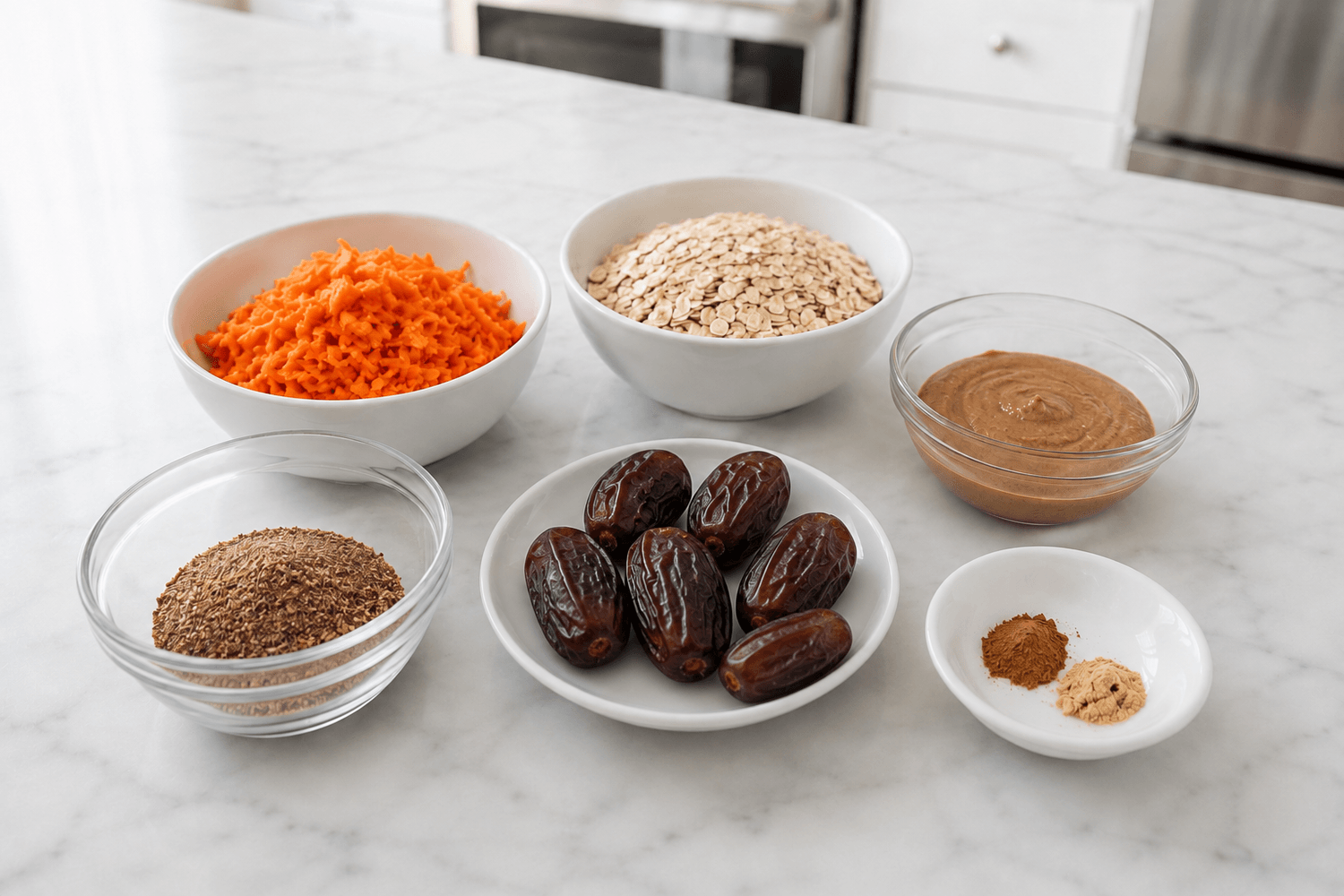
1 cup finely grated carrot
1 cup rolled oats
½ cup almond butter
¼ cup ground flaxseed
6 Medjool dates, pitted
1 teaspoon cinnamon
A pinch of ginger
Instructions
Squeeze the excess moisture out of the grated carrot. Do not skip this — wet carrot is why energy balls fall apart.
Blitz all the ingredients in a food processor until the mixture comes together and holds when you pinch it.
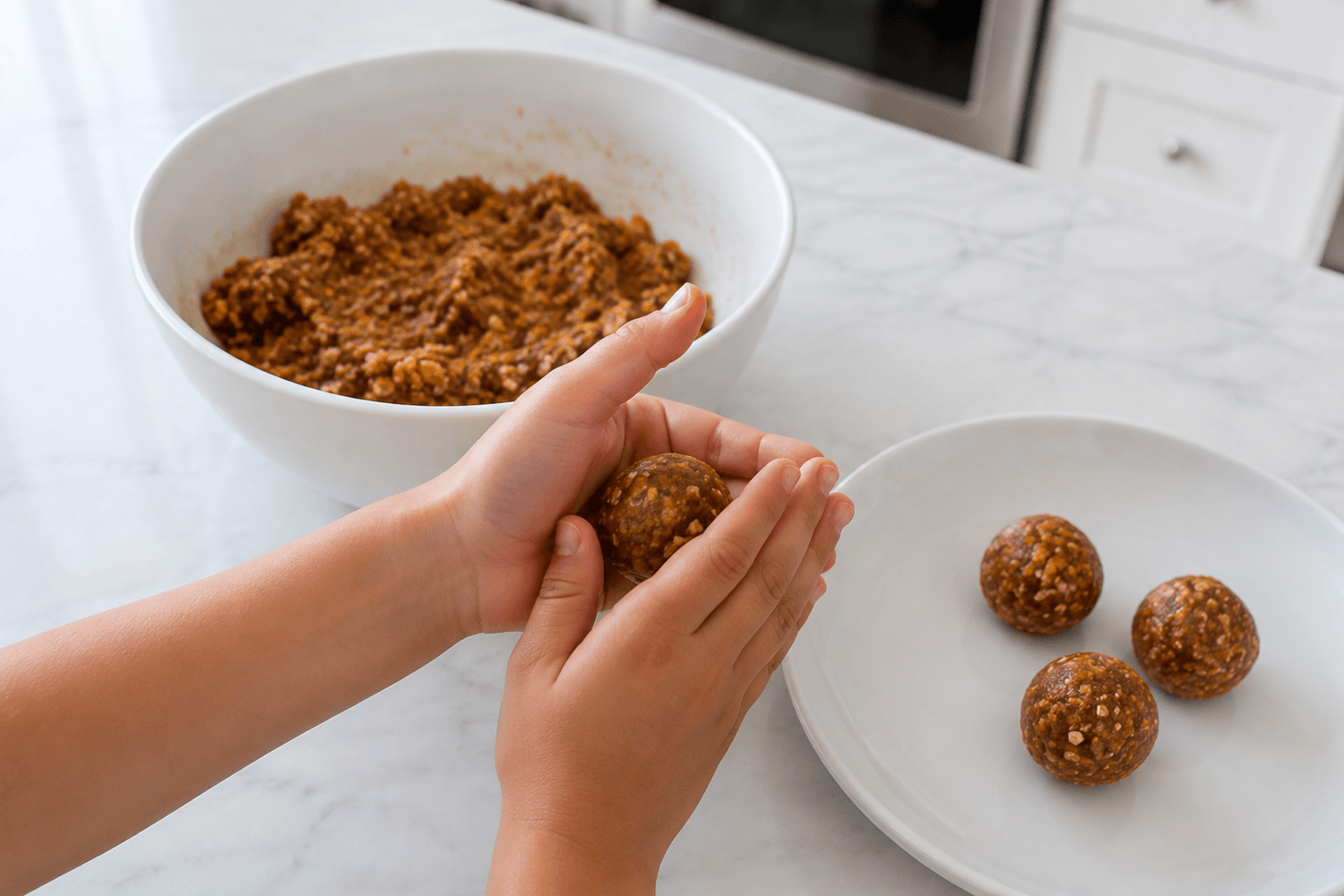
Roll into balls.
Chill for at least 30 minutes to firm up.
No food processor? Chop the dates small, grate the carrot finely and mix hard with a fork. It works. It is simply an arm workout.
Substitutions & Allergy Notes
For a nut-free, school-safe version, use sunflower seed butter instead of almond butter. The texture is the same.
This recipe contains oats and, in its standard form, tree nuts. If your child has a diagnosed food allergy, use only ingredients that are safe for them and take appropriate steps to avoid cross-contact in the kitchen.
If your dates are dry or firm, soak them in warm water for five minutes and drain. Soft dates are what hold the balls together.
Check your nut butter label. The ingredient list should say nuts, and maybe salt. Nothing else. No added sugar, no palm oil.
Tips From My Kitchen
Let the children roll them. Messy, yes. But they eat what they make with a pride no cartoon on a packet can compete with. It is the cheapest picky-eater trick I know.
Taste before you roll. Carrots vary in sweetness. If the mixture tastes flat, add one more date. You are still nowhere near the sugar in a shop-bought snack ball.
Double the batch. They freeze beautifully. I freeze half for the weeks when nothing goes to plan.
Why They Work
The beta-carotene in the carrot helps protect brain cells. The flaxseed brings omega-3s. The oats and almond butter give slow carbohydrates and fat, which is what turns a snack into something that holds a child through the afternoon rather than lifting them for twenty minutes and dropping them again.
That is the whole logic of the book these came from, in one small ball.
How to Serve Them
Straight from the fridge as an after-school snack
In the lunchbox next to fruit and cheese
As the dessert after dinner, with no negotiation required
On road trips, where they hold their shape well
How to Store Them
Keep them in a sealed container in the refrigerator for up to one week, or freeze for up to three months. Thaw at room temperature for about twenty minutes, or eat them straight from the freezer if your children are older. They are like small fudge bites that way.
Are These Sugar-Free?
No added sugar does not mean sugar-free. Dates are fruit, and fruit contains natural sugar, wrapped in fiber that slows it down.
What is not in them: table sugar, syrups, and the oils that fill most packaged energy bites. Turn one of those packets over next time you shop and count the added sugars. Then come home and make these.
Where This Recipe Comes From
This is one of the 11 Family Favorites at the back of Feed the Brain, Raise the Child — alongside the Lemon Coconut Bliss Balls, the Brain Fuel Snack Bars, the Mickey Carrot Waffles and the Avocado Chocolate Brain Pudding. There are 18 more recipes before those, covering breakfast through dinner.
But the recipes are the last third of the book. The rest is the reasoning: what a growing brain is physically made of, how food shapes mood and focus, what the sugar and hidden carbs are actually doing, and how to build a brain-supportive home without turning your kitchen into a project. It comes with a 14-day meal plan, a grocery list, a smart swap guide, and a symptom guide for working out whether your child is getting enough.
It is $47, and it is the foundation everything else I write sits on.
SEE FEED THE BRAIN, RAISE THE CHILD — $47
More real-food treats in Healthy Recipes — including my homemade chocolate hazelnut spread with no added sugar.

Healthy Kids, Happy Minds shares general information about family nutrition, not medical advice. If you have concerns about your child's growth, eating, or health, please speak with your pediatrician.
Want an easier way to understand packaged foods without
analyzing every ingredient?
Understand the why behind the behavior
Explore science-informed guides that explain how nutrition interacts with
children's developing brains and bodies, and why it can influence focus, mood,
sleep and behavior.
READ NEXT

A note from Ela
Real Food for Healthy Kids and Happy Minds
This is my little corner of the internet for parents who want to feed their kids well, without the stress, and without the marketing words.
Here you'll find real-food recipes my own two kids actually eat (yes, including sweet treats, the healthy way), simple articles about how food shapes behavior, focus, and sleep, and easy label tips for your next grocery trip.
Pour yourself a coffee and look around. And if a recipe wins over your picky eater, come tell me on Instagram, it makes my whole day.
Read the label. Feed the brain. Keep it real.
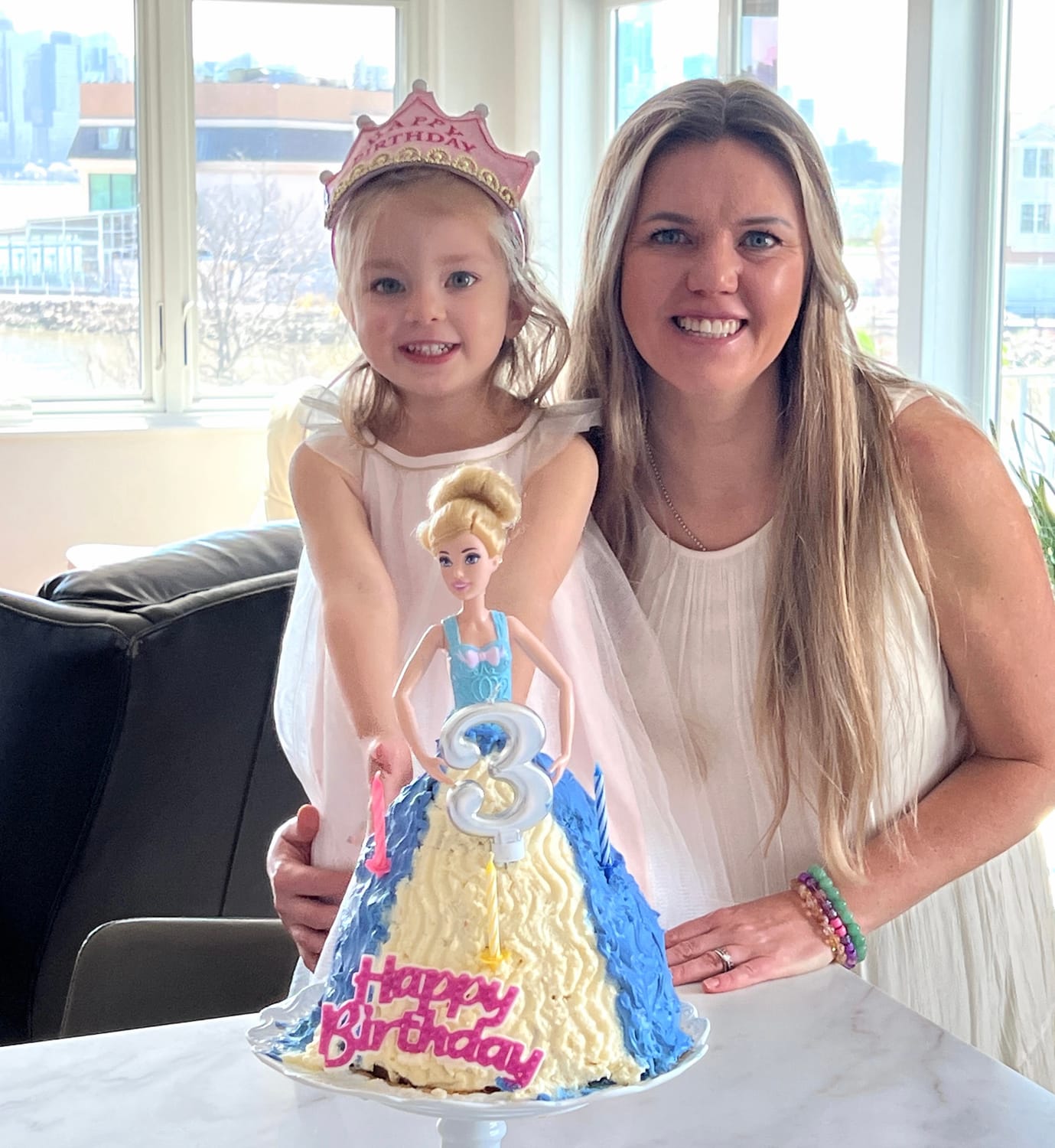
All homemade, all real food. Yes, even the princess cake. No refined sugar, no stress, and a kid who never feels like she's missing out.
Practical kids' nutrition tips, label-reading help and realistic family meals
© 2026 Healthy Kids, Happy Minds · by Ela Larsen · a brand of Serenite Group LLC. All rights reserved.