




Boring lists build brilliant brains
Here’s the sentence that changed how I shop: my kids’ brains are being built out of groceries.
Not as a metaphor. The brain that goes to school tomorrow — that makes friends, loses its temper, figures out fractions — is being physically assembled right now, out of whatever ended up on the plate at breakfast, lunch and dinner. Which means the unremarkable Tuesday dinner isn’t a small thing. It’s building material.
So what is it built out of?
Mostly fat. By dry weight, more than half of the brain is lipid, and a big share of that is one particular omega-3 called DHA — the fat that actually forms brain cells. DHA comes mainly from fish and seafood: salmon, sardines. Eggs give you some. Walnuts and flax give you a cousin of it called ALA, which the body converts into DHA — but only a small fraction of it, so they don’t do the job fish does.
I wish they did, honestly. It would have made my life easier. Because my kids don’t eat fish. We were vegetarian for years, from when they were babies, and even after that changed, fish stayed firmly on the no list. Salmon does not get eaten in this house, and I have tried every way there is to cook it.
So I supplement. We used algae DHA for a long stretch — it’s where fish get theirs in the first place, so it made sense for us then — and these days we use fish oil. Kids eat what kids eat, and where the food doesn’t reach, I fill in.
Then there’s protein, which doesn’t stay protein for long. It gets taken apart into amino acids, and those become the neurotransmitters that run mood, motivation and attention. Dopamine — the focus-and-drive chemical — starts out as a piece of the eggs or chicken or yogurt or beans your child ate hours earlier. When people ask me why I’m so stubborn about protein at every meal, that’s the reason. It isn’t about muscle.
And then a handful of minerals doing quiet, unglamorous work. Iron carries oxygen to the brain; when it runs low it can look like tiredness, poor focus, “he just doesn’t listen.” Zinc, magnesium and choline turn up in nearly every process the brain runs. None of them live in anything exciting. Meat, eggs, beans, nuts, whole grains.
Notice what isn’t on this list: anything sold as a superfood, anything in powder form, anything with a cartoon on the front. A growing brain doesn’t need trends. It needs a short list of real materials-real food , showing up again and again — and the absence of the stripped, spiking ingredients that crowd them out.
That last part is a whole story of its own: which foods quietly push the good materials off the plate, and why “enriched” is the word to watch. But the starting point is simpler than the internet makes it feel. Eggs, fish, meat, beans, dairy, nuts, fruit, vegetables, whole grains. Boring lists build brilliant brains.
How it all fits together — which nutrients matter at which age, what’s worth your money and what’s marketing, and how to get it onto the table without a fight — is the first part of my guide, Feed the Brain, Raise the Child.


Healthy Kids, Happy Minds shares general information about family nutrition, not medical advice. If you have concerns about your child's growth, eating, or health, please speak with your pediatrician.
Want an easier way to understand packaged foods without
analyzing every ingredient?
Understand the why behind the behavior
Explore science-informed guides that explain how nutrition interacts with
children's developing brains and bodies, and why it can influence focus, mood,
sleep and behavior.
READ NEXT
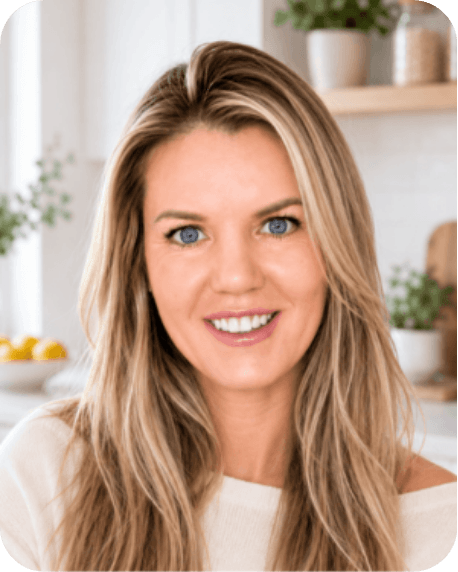
A note from Ela
Real Food for Healthy Kids and Happy Minds
This is my little corner of the internet for parents who want to feed their kids well, without the stress, and without the marketing words.
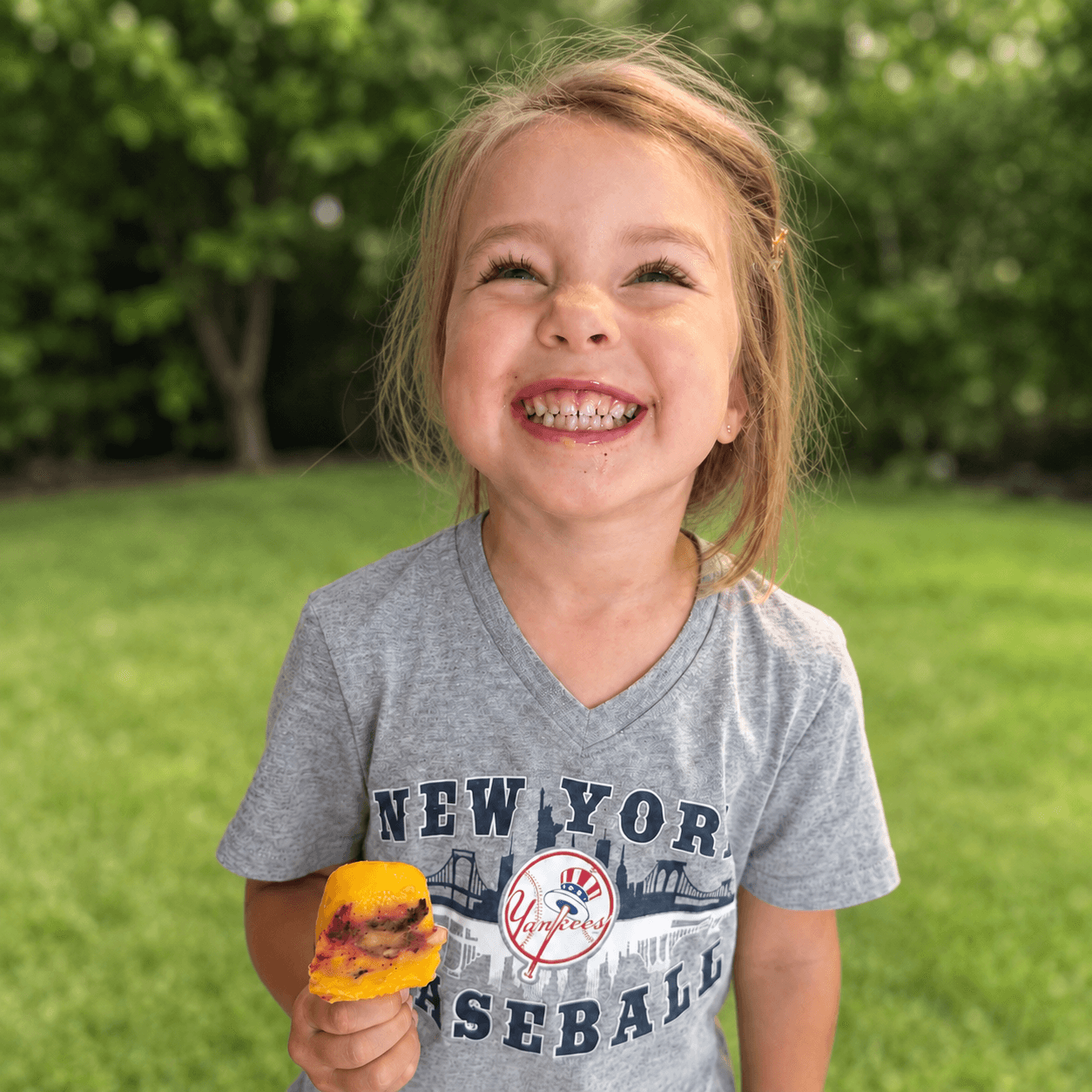
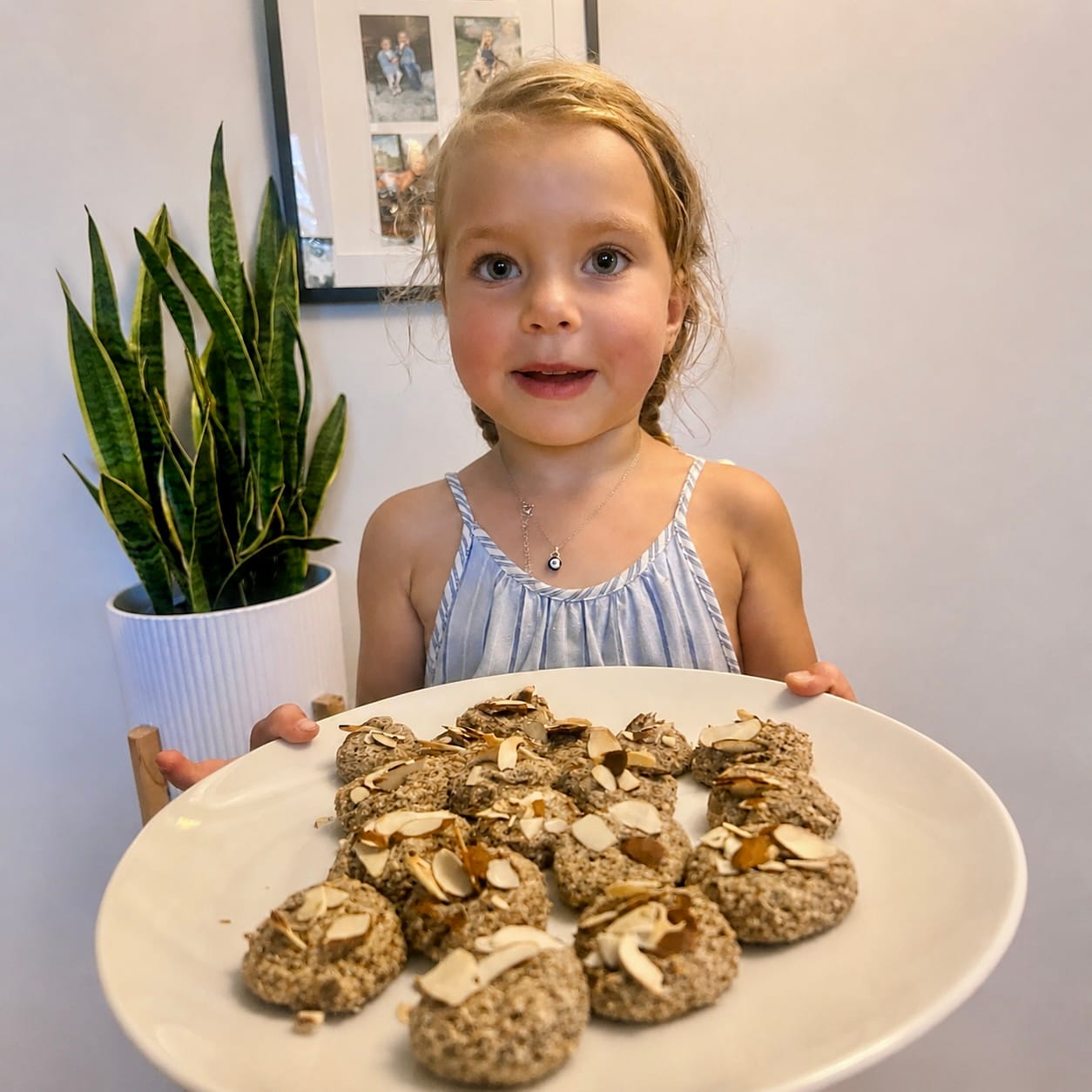
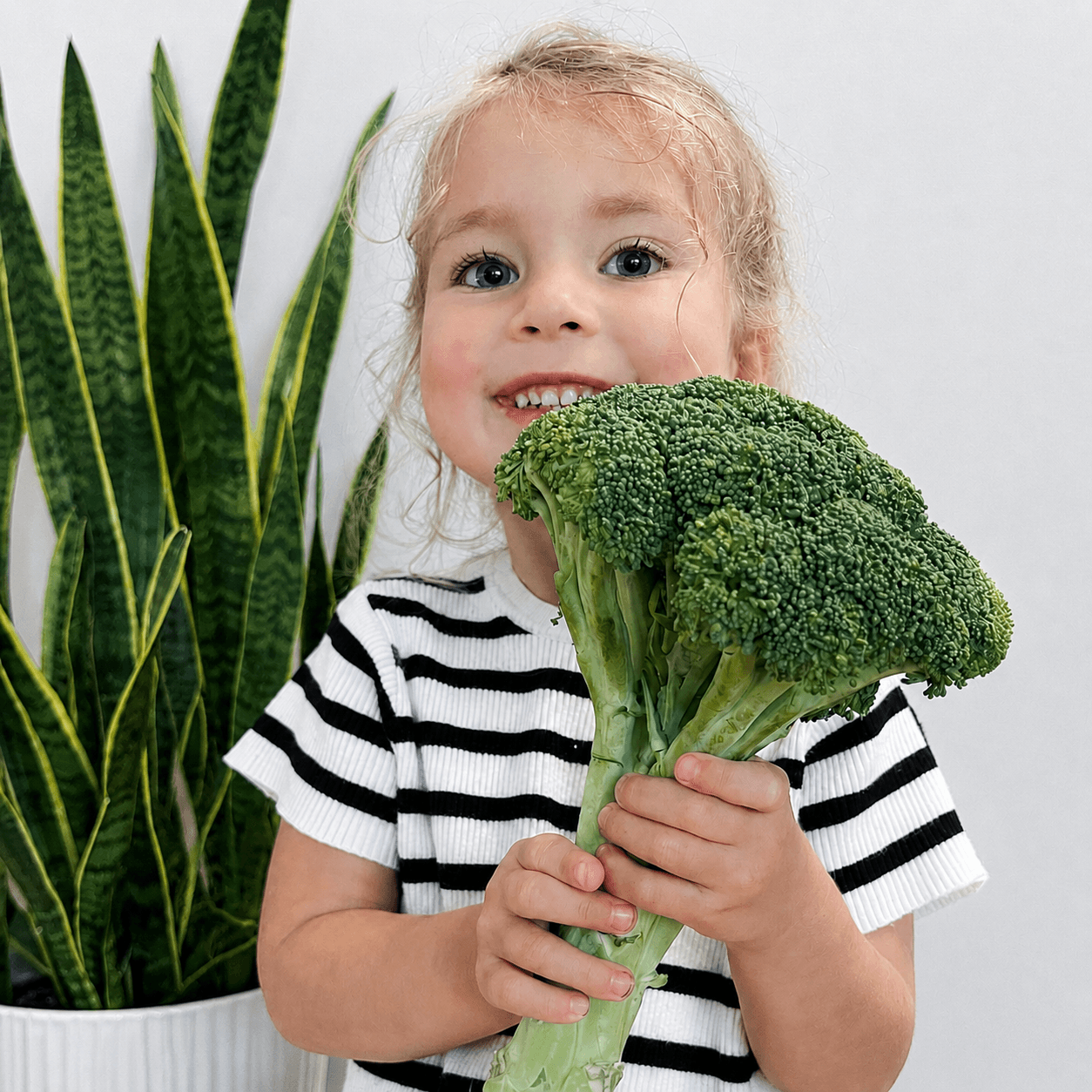
Here you'll find real-food recipes my own two kids actually eat (yes, including sweet treats, the healthy way), simple articles about how food shapes behavior, focus, and sleep, and easy label tips for your next grocery trip.
Pour yourself a coffee and look around. And if a recipe wins over your picky eater, come tell me on Instagram, it makes my whole day.
Read the label. Feed the brain. Keep it real.
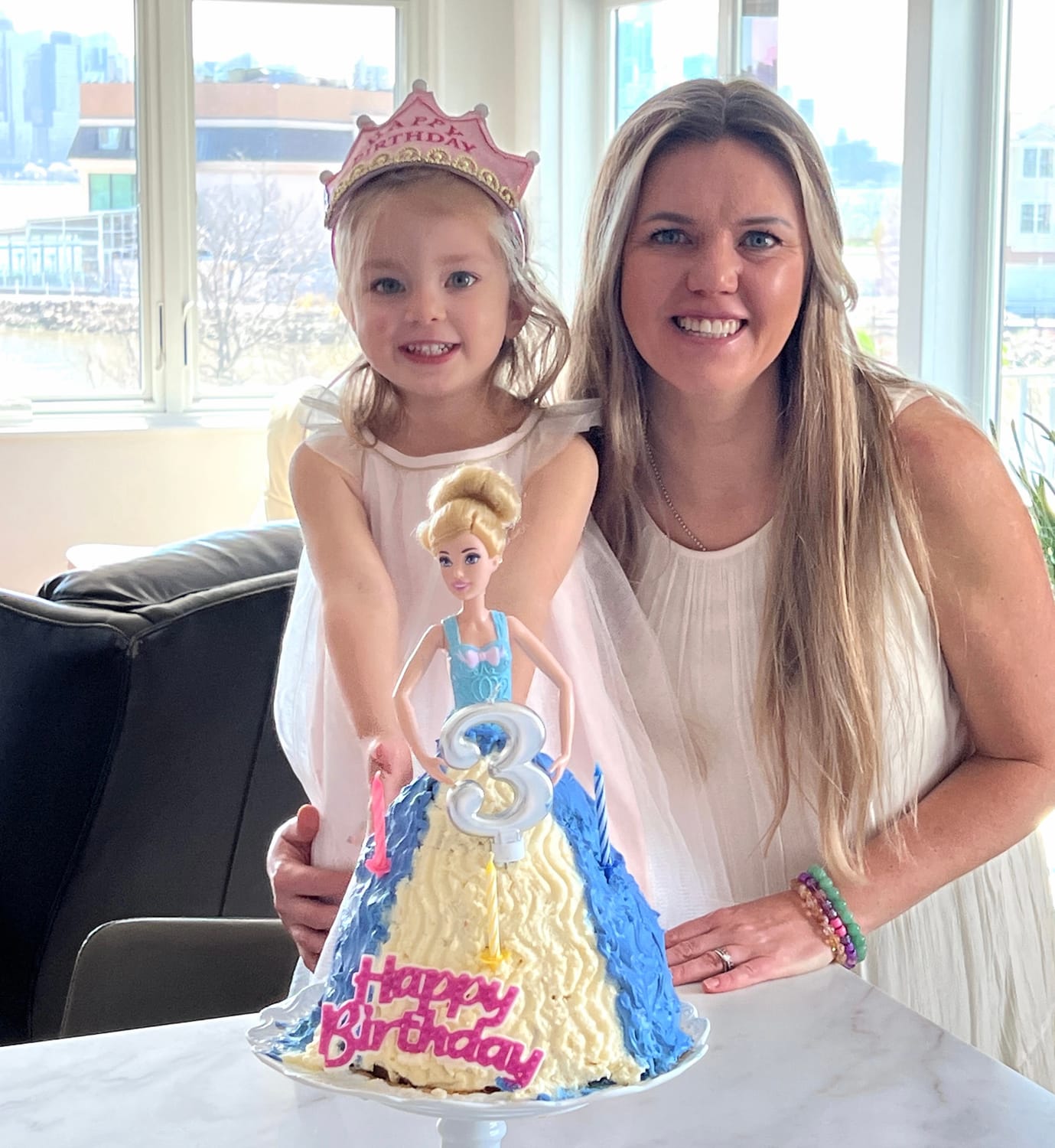
All homemade, all real food. Yes, even the princess cake. No refined sugar, no stress, and a kid who never feels like she's missing out.
Practical kids' nutrition tips, label-reading help and realistic family meals
© 2026 Healthy Kids, Happy Minds · by Ela Larsen · a brand of Serenite Group LLC. All rights reserved.